Showing posts with label #ThesisTopicIdeas. Show all posts

Monday, September 10, 2018

Senior Thesis Ideas

Hello there, this is Alexandra once again! I have a bit of a dilemma. There are numerous interests that I have within the museum realm. To name a few topics of interest includes exhibition design, collection care, teaching the importance of history, the subject of Anthropology and Archeology. Alas, the time has come to pick a singular interest of mine and transform it into a research paper and project. I have a few ideas, but I do not know whether they are research worthy thus I am inquiring your help. 
    My first idea is the need for science museums all across the country, especially in Western New York, to create a new separate museum dedicated its anthropology collection. Cultural groups are often offended with their representation in a place where science experiments are performed. Many museum exhibitions display these cultures only in their primal state. These permanent exhibitions fail to show the evolution from prehistoric to modern day. This issue damages not only the museum’s representation, but it damages its relationship with it, visitors, near and far. With further research, I will explain the positive benefits for museums to collaborate with its cultural communities. Then I would proceed to create a plan on how the science museums in Rochester and Buffalo can successfully build a new institution dedicated explicitly to Anthropology and History. 
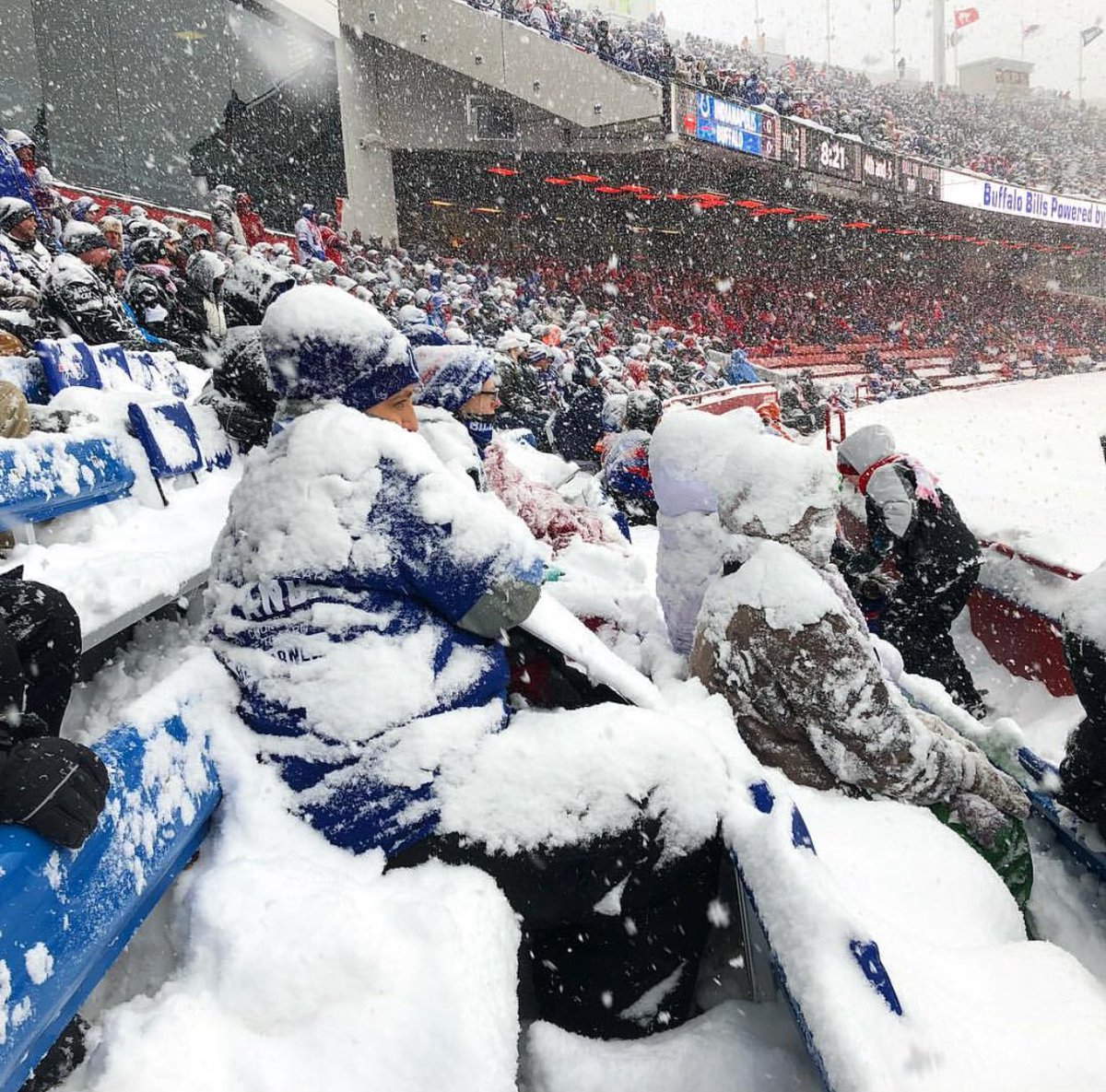
    My last idea revolves around my professional goal to develop a museum from the ground up. As a proud Buffalonian, I understand how important the professional sports teams in my community. The fans have this pure love for the game that we continue to support the team endlessly regardless of poor success. Buffalo has been labeled one of the best fans in America. Therefore, it is in the best interest of the city and the professional team to celebrate their dedicated fans by creating the Buffalo Sports Museum. My research focuses on the benefits of developing a new museum economically, socially, and politically in a city. For the project component of the research, I would create an outline of a 10-year plan. This plan will include finical and funding strategies, building and exhibitions designs, collection management policies, and potential partners. I have recently learned that there is a profound collector that have an impressive collection of Buffalo sports memorabilia that has a “museum” in his basement. Of course, I would reach out to him to collaborate on expanding his vision and make it more accessible for the public.
Related image
Buffalo Bills fans dedicated to supporting their football team. #Fortheloveofthegame

Here is the link to the existing Buffalo Sports Museum: 

Links of Buffalo Fans professing their love to our teams:

Wednesday, November 2, 2016

My Thesis Topic

As per my second post, I have moved my thesis project idea from the realm of social justice to that of climate change. I want to critically engage with the following questions: are museums recognizing the effects of climate change and taking action in regards to their own institution's climate control systems? Are museums and other cultural institutions within the Rochester area making strides to engage and educate their public about the realities of climate change? Are museums entirely devoted to climate change, such as NYC's The Climate Museum project, able to engage in meaningful discussion with the public on the topic of climate change, environmentalism, and on the topic of actually making changes within one's daily routine in response to climate shifts/pollution?

In other words, I want to be able to critically and qualitatively analyze whether visitors outside of New York City (residents of other large New York cities such as Rochester) have heard of the The Climate Museum or engaged with topics concerning climate change through local institutions' exhibitions, objects, or community outreach programming. How do local Rochesterian museum professionals attempt to engage the public with discussion involving climate change? Does the public find these engagements successful and do these museum professionals find their methods of engaging with said public successful? Are local Rochesterian museums making infrastructure, HVAC, or climate control changes in response to major shifts in temperature, pollution, and weather-related phenomenon (i.e. harsher winters, dryer and hotter summers, wilder fluctuating humidity levels)?

In order to do this I will be reading critical articles and literature from museum professionals dealing with the topic of climate change, infrastructure professionals discussing best practices for climate control and building preservation, and the effect that shifting climates have upon museum objects (humidity, mold, etc.). I will also be interviewing local Rochesterian museum professionals, RIT faculty, and RIT students in regards to how they have engaged with the topic of climate change in a professional sense or through museum visits.

Friday, October 28, 2016

My Current Thesis Topic Ideas

Originally, I was going to tackle the question of how museums and cultural institutions interact with contemporary social movements such as Black Lives Matter, Free the Nipple, and issues involving the hijab as well as the representation of Muslim Americans in popular media (juxtaposed with the museological representation(s) of these people currently being exhibited or having been exhibited in the past). I wanted to focus upon the Rochester area, due to its history of tumultuous race relations, revolt, and large African American population as well as the international and interracial student population at RIT providing a wide breadth of demographics for surveys/interviews. In other words, I initially wanted to explore both how museums and cultural institutions in Rochester, NY (and the surrounding suburbs) meaningfully interact with contemporary social movements, what it means to interact meaningfully with these social movements (both from the museum professional perspective and that of those personally involved with the social movements being examined), and how museums may foster more intimate and powerful connections with local communities via interacting with relevant social movements.

However, after looking at myself and my interests I have decided to move my tentative topic in a more environmentally conscious direction: how are museums and cultural institutions interpreting and educating the public in regards to climate change? Are museums and cultural institutions able to leave visitors with valuable knowledge about their climate, environment, and the preservation of not only museum objects but objects that they use in their daily lives? Do museums meaningfully convey the importance of developing new modes of energy generation, an awareness of the drastic effects that humans have on their surroundings, or are visitor made aware that climate change affects their lives (and their futures) every second of every day? These questions, along with analyzing and critically examining how museums directly devoted to environmental issues such as proposed The Climate Museum of New York City have impacted both their local and global communities. Namely, how does The Climate Museum intend to encourage discussion as well as engagement with the topics at hand? Is that discussion meaningful enough to spur actual changes in people's lives? Have visitors outside of New York City (residents of other large New York cities such as Rochester) heard of the The Climate Museum or engaged with topics concerning climate change through local institutions' exhibitions, objects, or community outreach programming? How do local Rochesterian museum professionals attempt to engage the public with discussion involving climate change? Does the public find these engagements successful and do these museum professionals find their methods of engaging with said public successful?

I hope to answer these questions or at least suggest methods of best practices following interviews and surveys with both the staff/leading figures of The Climate Museum, the Rochester Museum and Science Center (RMSC), The George Eastman Museum (GEM), and other relevant local institutions (such as colleges/universities like RIT and the University of Rochester). Climate change and environmental degradation are ongoing, unstoppable issues that directly effect both the present and future of humanity: I hope to ascertain that this reality is both understood by and guides museum programming in a way which promotes active thinking and lifestyle changes within their local and global audiences.